By
By 
You’re stranded on the side of the highway. Smoke is rising from the hood, or perhaps a tire has blown out. Your stress levels are spiking, and you just want to get your vehicle to safety.
Here is the problem: You call a towing company, and they ask, “What kind of truck do you need?” or “Is it an AWD vehicle?”
If you answer incorrectly, you risk more than just a delay. Using the wrong towing method can destroy your transmission, ruin your alignment, or scratch your bumper, turning a $200 tow into a $2,000 repair bill.
Knowledge is power. We have broken down the 7 essential types of towing services so you can make the right call instantly, protect your vehicle, and save money.
Table of Contents
- What Are the Main Types of Towing Services
- Flatbed Towing
- Wheel-Lift Towing
- Hook and Chain Towing
- Integrated Towing
- Boom Truck (Winch) Towing
- Motorcycle Towing
- Heavy-Duty & Oversize Towing
- Conclusion
- FAQs
What Are the Main Types of Towing Services?
The most common types of towing services are Flatbed Towing (safest for most cars), Wheel-Lift Towing (best for short distances and 2WD cars), and Integrated Towing (used for heavy-duty rigs). Specialized methods include Boom/Winch Towing for ditch recovery, Motorcycle Towing, and Hook and Chain (mostly for junk cars). Always choose Flatbed towing for All-Wheel Drive (AWD) vehicles to prevent transmission damage.
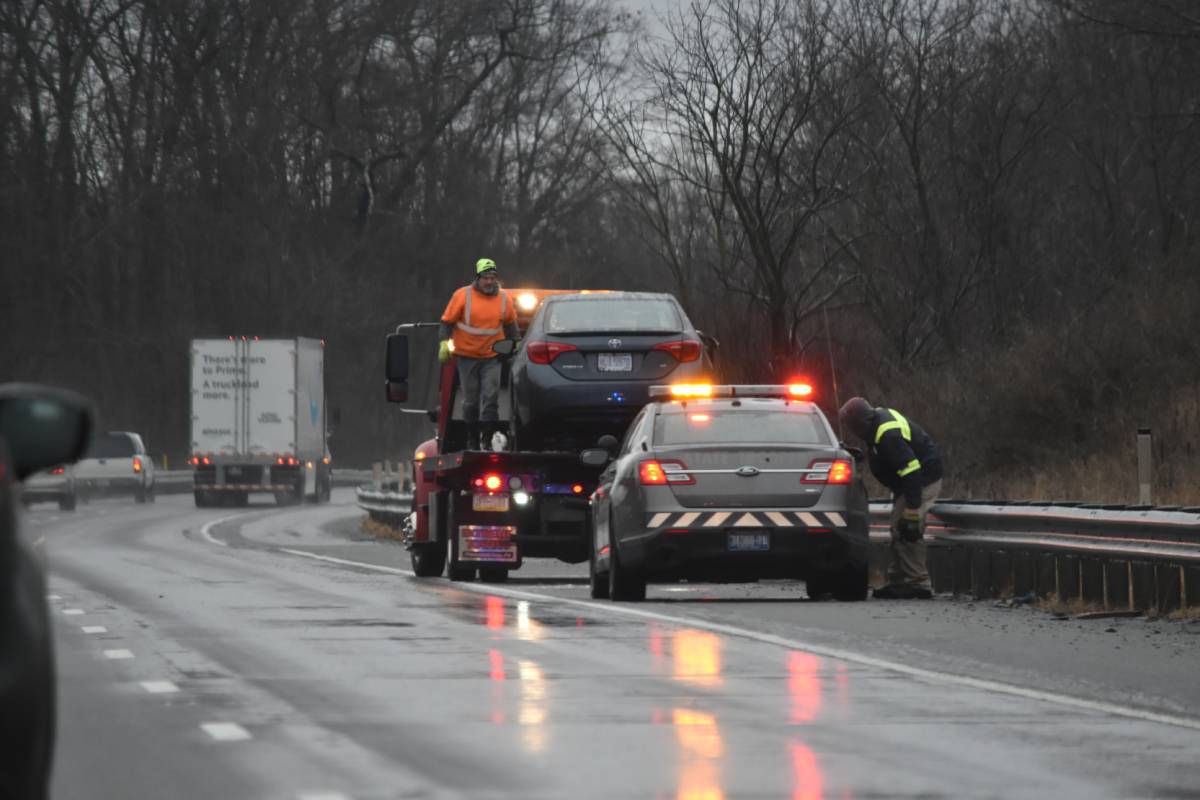
1. Flatbed Towing
If you see a tow truck with a long, empty bed on the back that inclines into a ramp, that is a flatbed (often called a “Rollback”). It is widely considered the safest way to transport a vehicle.
How It Works:
The truck’s hydraulic system tilts the bed down to ground level. Your car is winched up onto the platform, secured with straps, and the bed levels out. Your vehicle rides entirely on the truck, with no wheels touching the road.
- Best For: Luxury cars, vintage vehicles, All-Wheel Drive (AWD) systems, and long-distance transport.
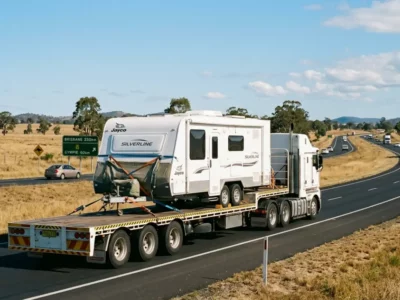
- Pros: Zero wear on your car’s tires or transmission; safest for long trips. This is why specialized logistics providers, such as Interstate Caravan Towing AU, often prioritize methods that minimize road contact or use heavy-duty vehicles to ensure safety over long distances.
- Cons: Often slightly more expensive; the truck is large and may struggle in tight parking garages.
2. Wheel-Lift Towing
Think of this as the modern evolution of the old hook-and-chain truck. It uses a metal yoke that slides under either the front or rear wheels of your vehicle.
How It Works:
A hydraulic lift raises the front or rear end of your car off the ground. The other two wheels remain on the road as the car is towed.
- Best For: Short-distance tows, 2-Wheel Drive sedans, and maneuvering in tight spots.
- Pros: Fast hook-up; usually cheaper than flatbed; the truck is smaller and more agile.
- Cons: Not suitable for AWD vehicles (unless dollies are used); puts mileage on the tires touching the road.
3. Hook and Chain Towing
This is what most people picture when they think of a “tow truck,” but it is becoming increasingly rare for standard consumer vehicles.
How It Works:
Chains are wrapped around the vehicle’s axle or frame to lift it.
- Best For: Wrecked cars heading to the junkyard.
- Pros: Simple and effective for mangled vehicles.
- Cons: High Risk of Damage. The chains can scratch bumpers, crush exhaust pipes, and damage the drivetrain. Most reputable companies will not use this on a drivable car.

4. Integrated Towing (The Heavy Lifter)
You will often see these massive trucks towing buses or semi-trucks. They are the powerhouse of the towing world.
How It Works:
“Integrated” means the boom (lift arm) and the wheel-lift mechanism are combined into one unit. This creates incredible stability and strength, allowing the truck to tow vehicles much heavier than itself.
- Best For: Commercial vehicles, buses, rigs, and RVs.
- Pros: Can handle massive weight; very stable with extra axles.
- Cons: Overkill (and overpriced) for a standard passenger car.
5. Boom Truck (Winch) Towing
While many tow trucks have booms, a dedicated Boom Truck is often used for recovery rather than just transport.
How It Works:
It features a hydraulic arm (boom) that extends out past the rear of the truck. It acts like a crane.
- Best For: Recovery operations. If your car is stuck in a ditch, flipped over an embankment, or trapped in soft mud.
- Pros: Can lift a vehicle vertically or pull it from difficult angles where a flatbed can’t reach.
- Cons: Not designed for towing the vehicle down the highway safely without additional equipment.
6. Motorcycle Towing
Towing a bike requires finesse. You cannot just strap a Ducati to a standard wheel-lift and hope for the best.
How It Works:
Specialized motorcycle towing uses a flatbed equipped with specific wheel cradles or locking mechanisms to keep the bike upright and stable.
- Best For: All motorcycles and scooters.
- Pros: Prevents the bike from tipping over or getting scratched during transport.
- Cons: You must specify “motorcycle” when calling, or the driver might arrive without the correct cradle.
7. Heavy-Duty & Oversize Towing
This category covers the “monsters” of the road—often involving Rotator Tow Trucks.
How It Works:
These trucks have cranes that can rotate 360 degrees. They are used to clear massive highway accidents involving tractor-trailers or to move heavy machinery.
- Best For: Clearing major accidents, overturned semi-trucks, or transporting heavy industrial equipment—a critical logistics factor to consider when calculating the cost to build a warehouse or commercial facility.
- Pros: Unmatched power and versatility.
- Cons: Extremely expensive and requires highly specialized operators.
Conclusion
Choosing the right towing service isn’t just about getting from Point A to Point B—it’s about ensuring your vehicle arrives in the same condition it left.
The Golden Rule: If you are unsure, request a Flatbed. It is the universal donor of the towing world—safe for almost anything.
Don’t wait until you are stranded with a dead battery to figure this out. Bookmark this guide or save the number of a local company that offers flatbed services today.
Have you ever had a towing nightmare? Share your story in the comments below!
FAQs
Q: Can you tow an All-Wheel Drive (AWD) car with wheels on the ground?
A: Generally, no. Towing an AWD vehicle with two wheels on the ground can severely damage the drivetrain and transmission. Always request a Flatbed tow for AWD vehicles to be safe.
Q: Is Flatbed towing more expensive than Wheel-Lift?
A: Yes, typically flatbed towing costs 10-20% more than wheel-lift towing. However, the extra cost is often worth it to prevent potential alignment or bumper damage to your vehicle.
Q: What should I do before the tow truck arrives?
A: Ensure your vehicle is in a safe location, turn on your hazard lights, and remove personal valuables. It is also critical to document the scene; take photos of your vehicle’s condition and ensure you have saved the footage from your dash cam for insurance purposes.