By
By 
Table of Contents
- Is Solo Travel a Good Idea for Women?
- Mistake 1: Treating Safety as an Afterthought
- Mistake 2: Overpacking Your Itinerary
- Mistake 3: Skipping Travel Insurance
- Mistake 4: Telling No One Your Plans
- Mistake 5: Choosing the Wrong First Destination
- Mistake 6: Underpacking for Connection
- Mistake 7: Ignoring Local Dress and Cultural Norms
- Mistake 8: Relying on One Communication Channel
- Mistake 9: Letting Fear of Judgment Drive Decisions
- Solo Travel Mistakes at a Glance
- Final Verdict
Is Solo Travel a Good Idea for Women?
Yes, but the women who regret it almost always made the same handful of mistakes before they left, not during the trip itself.
The fear most women feel before a first solo trip isn’t irrational. It’s just misdirected. The real risk in solo travel rarely comes from the destination. It comes from poor planning at home.
This guide breaks down the nine mistakes that turn a good idea into a bad experience, and shows you exactly how to fix each one before you book a single flight.
Mistake 1: Treating Safety as an Afterthought
Most women research destinations before they research safety protocols. This order is backwards.
Personal safety is the single biggest concern among women who travel solo. Personal safety ranks as the top worry for solo female travellers, cited by 66% of respondents in the Solo Female Travelers Club’s 2025 survey of 5,000 women. This isn’t paranoia. It’s a planning gap.
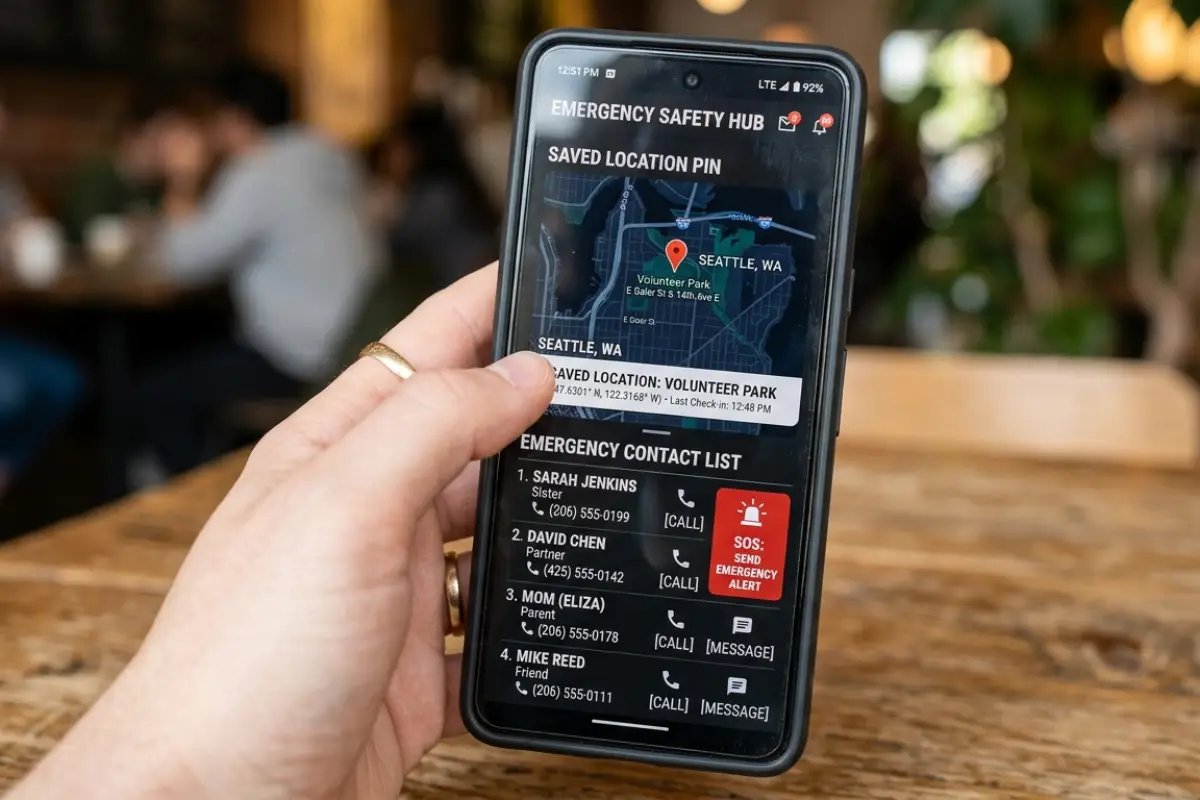
Fix it before you book: research the specific neighbourhoods you’ll stay in, not just the city. Save embassy contact details. Screenshot your accommodation address in the local language. Identify the nearest hospital before you land, not after you need one.
Mistake 2: Overpacking Your Itinerary
New solo travellers tend to plan every hour. This backfires fast.
A packed itinerary leaves no room for fatigue, weather changes, or the slower pace that solo travel actually rewards. When something goes wrong, an overpacked schedule turns one delay into a cascading failure across the whole trip.
Build buffer days into every itinerary, especially the first three days of any trip. Jet lag and unfamiliar transit systems cost more time than guidebooks admit.
Mistake 3: Skipping Travel Insurance
Insurance feels like an unnecessary cost until the moment it isn’t.
Solo travellers face a specific risk profile: no one to manage logistics if a medical issue, theft, or cancellation hits mid-trip. A travel companion can adapt on the fly. A solo traveller without insurance is stuck negotiating hospital bills or rebooking flights alone, in a language they may not speak.
Confirm your policy covers solo travel, medical evacuation, and the specific activities you’re planning. Generic policies often exclude adventure activities by default.
Mistake 4: Telling No One Your Plans
Independence is the appeal of solo travel. It’s also the trap.
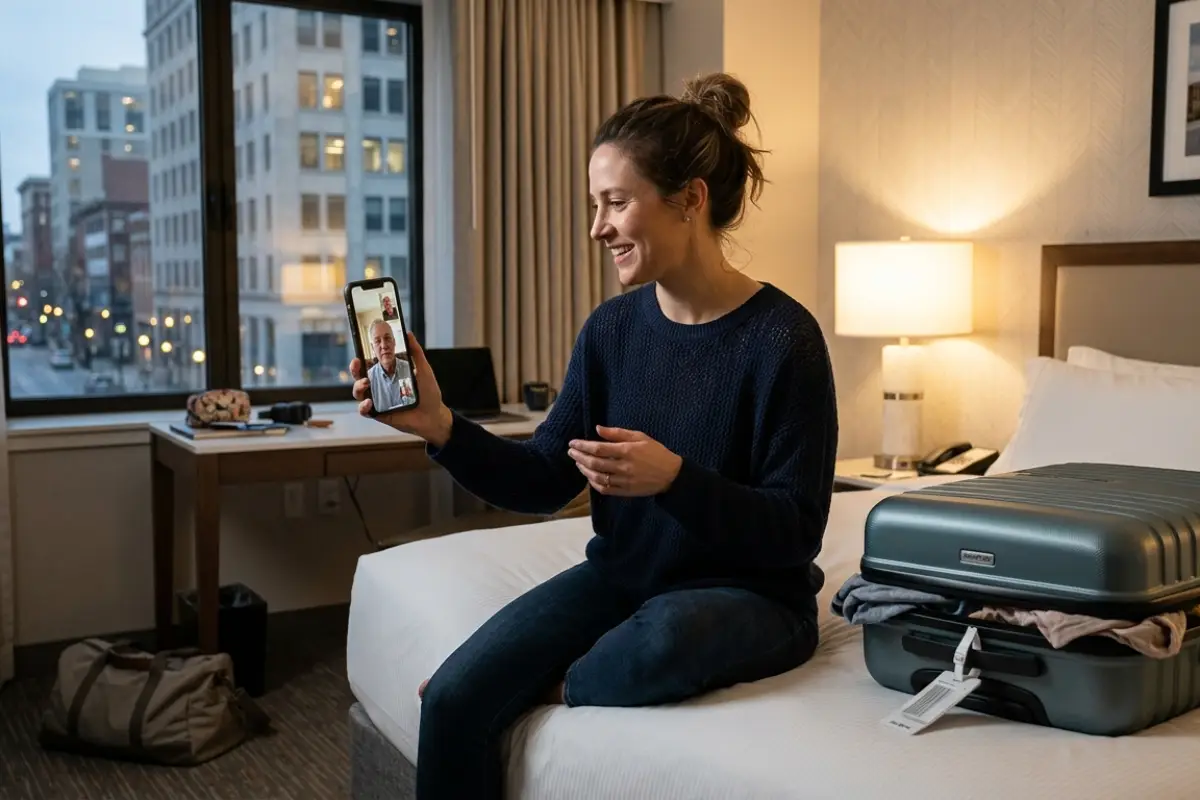
Going dark to “fully disconnect” sounds romantic until no one notices you’ve missed three check-ins. Share your itinerary with at least one person who isn’t travelling with you, and set a check-in cadence before you leave, not after you arrive.
This single habit closes the biggest gap between solo travel and solo travel that goes wrong unnoticed.
Mistake 5: Choosing the Wrong First Destination
Not every destination suits a first solo trip, regardless of how appealing it looks online.
A first trip with high infrastructure, low language barriers, and strong solo-traveller networks builds confidence fast. A first trip in a remote, high-friction destination builds anxiety instead, and that anxiety follows you into every future trip.
Save the ambitious, off-grid destinations for trip three or four. Use trip one to learn how you handle solo travel logistics in a forgiving environment.
Mistake 6: Underpacking for Connection
Solo doesn’t have to mean isolated, but many first-time solo travellers pack for isolation by default.
Hostels with social common areas, free walking tours, and solo-female-travel community apps exist specifically to solve this. Skipping them out of shyness or over-preparation usually leads to a lonelier trip than intended, not a more independent one.
For a first trip, a small-group, women-only journey like the ones run by Once Were Wild removes the connection problem entirely while still preserving the independence that draws women to solo travel in the first place. It’s a useful middle step between “fully alone” and “fully independent.”
Book at least one social activity in your first 48 hours at a new destination, even on an independent trip. It resets the trip’s tone immediately.
Mistake 7: Ignoring Local Dress and Cultural Norms
What reads as “just my style” at home can draw unwanted attention elsewhere, and unwanted attention is the actual safety risk, not the destination itself.
Researching local norms isn’t about conforming for its own sake. It’s about controlling how much you stand out, which directly controls how much friction you encounter.
Five minutes of research into local dress norms before each new destination removes a layer of risk that no safety app can fix retroactively.
Mistake 8: Relying on One Communication Channel
A dead phone, a SIM card that doesn’t work, or a single app going down shouldn’t be the difference between staying connected and going silent.
Build redundancy: a local SIM, an offline maps app, a printed copy of key addresses, and a backup charging method. One point of failure is the actual mistake here, not the lack of technology.
Mistake 9: Letting Fear of Judgment Drive Decisions
This is the mistake that happens before the trip even starts.
Plenty of women delay or cancel solo trips because of other people’s reactions, not because of any real risk assessment. That’s a decision made by someone else’s comfort level, not yours.
Separate the two questions clearly: “Is this destination actually risky?” and “Will someone disapprove of me going?” Only the first question should affect your decision.
Separating real risk from perceived disapproval is ultimately a mindset shift, and the same principles that help people build a positive mindset in other areas of life apply directly to solo travel decisions.
Solo Travel Mistakes at a Glance
| Mistake | Root Cause | Fix |
| Skipping safety research | Researching destination, not neighbourhood-level risk | Map hospitals, embassies, and safe zones before booking |
| Overpacked itinerary | Planning for a perfect trip, not a real one | Build in buffer days, especially early in the trip |
| No travel insurance | Treating cost over coverage | Confirm solo and activity-specific coverage |
| No check-in plan | Confusing independence with disappearance | Set a fixed check-in cadence with one trusted contact |
| Wrong first destination | Chasing ambition over confidence-building | Start with high-infrastructure, low-friction locations |
| Avoiding social spaces | Packing for isolation by default | Book one social activity in the first 48 hours |
| Ignoring cultural norms | Prioritising personal style over local context | Research dress norms per destination, every time |
| Single communication channel | No redundancy plan | Carry a local SIM, offline maps, and backup charging |
| Fear of others’ judgment | Letting outside opinion override risk assessment | Separate actual risk from perceived disapproval |
Final Verdict
Solo travel as a woman is a good idea when the planning happens before the doubt does. The mistakes that derail a trip are rarely about the destination. They’re about safety research skipped, itineraries overpacked, insurance ignored, and plans never shared with anyone back home.
Fix those nine points before you book, and the trip itself becomes the easy part.