By
By 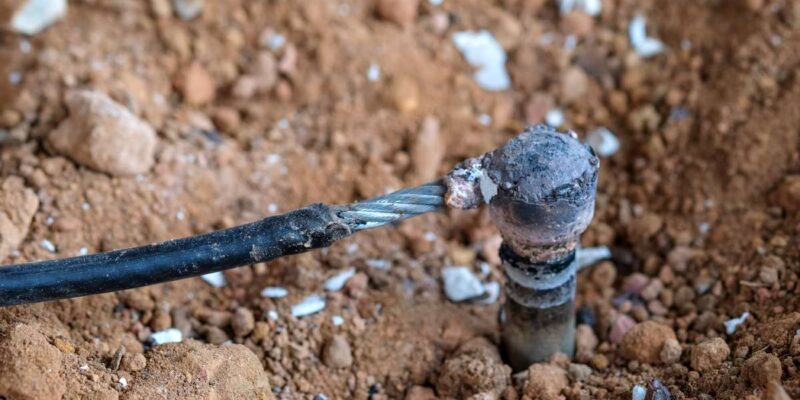
Electricity powers nearly every aspect of modern living—from lighting and appliances to communication systems and security devices. While most homeowners focus on visible electrical components like switches, outlets, and fixtures, there’s one critical safety feature that often goes unnoticed: the electrical grounding wire.
Understanding what grounding is, how it works, and whether it’s mandatory for your home is essential for both safety and compliance. This article breaks it down clearly and practically so you can make informed decisions about your home’s electrical system.
What is an Electrical Grounding Wire?
An electrical grounding wire—often called a “ground wire”—is a safety component in an electrical system. Its primary role is to provide a safe pathway for electrical current to flow into the earth in case of a fault or surge.
In a typical wiring system, you’ll find three types of wires:
- Live (or active) wire – carries current to the appliance
- Neutral wire – returns current back to the electrical panel
- Ground wire – provides a backup path for electricity to dissipate into the ground safely
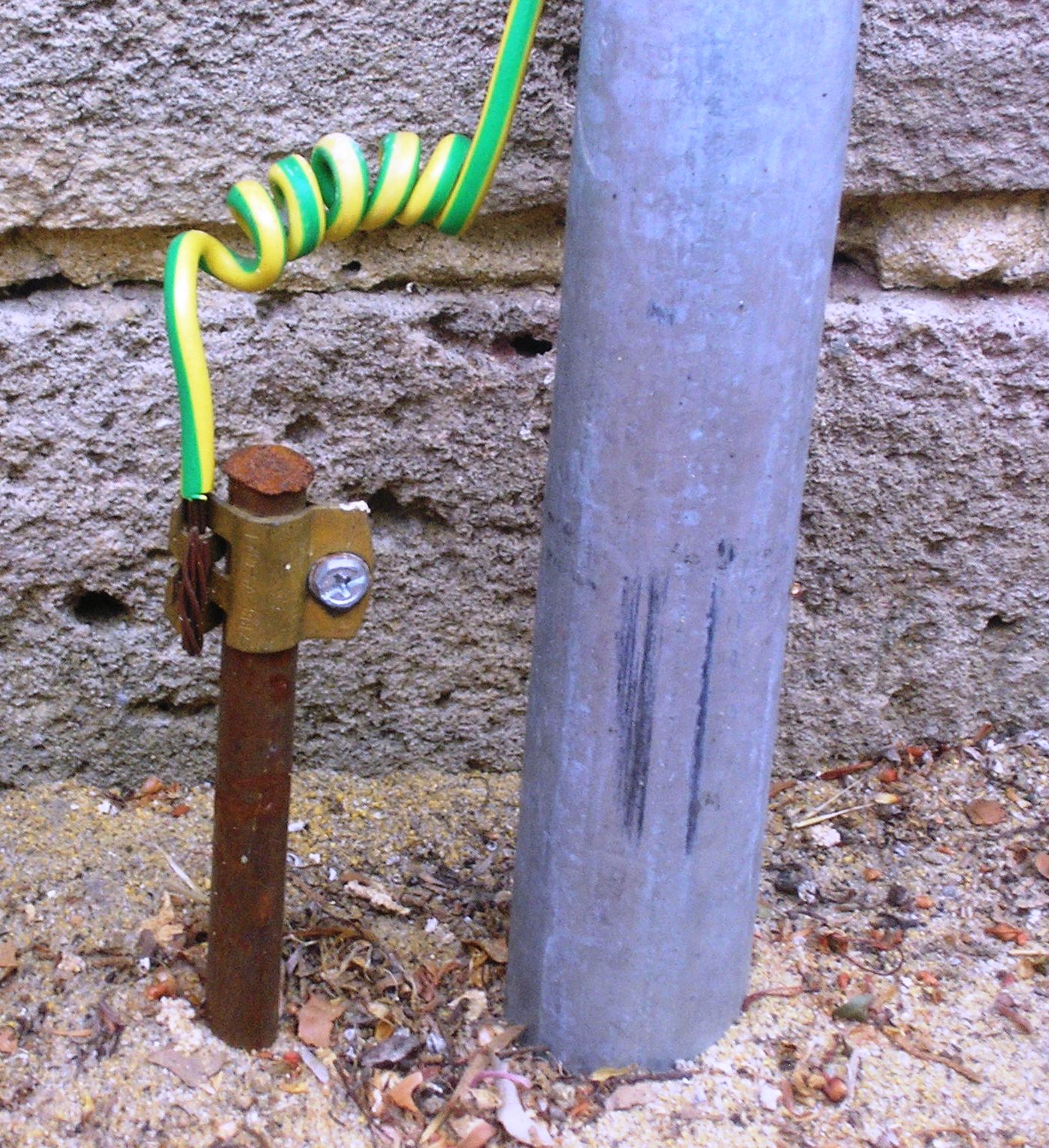
The grounding wire is usually bare copper or insulated with green or green-and-yellow stripes. It connects electrical systems and appliances directly to the earth, often through a grounding rod buried in the soil.
Why is Grounding Important?
Grounding is not just a technical detail—it’s a life-saving feature. Here’s why it matters:
1. Prevents Electric Shock
If a fault occurs—such as a live wire touching a metal surface—the grounding wire directs the excess electricity into the ground. Without it, that electrical current could pass through a person who touches the appliance, potentially causing serious injury or even death.
2. Protects Appliances and Devices
Electrical surges caused by lightning, power fluctuations, or faults can damage sensitive electronics. Grounding helps stabilise voltage levels and safely redirects excess electricity, protecting your devices.
3. Reduces Fire Risk
Faulty wiring or short circuits can generate heat and sparks. Grounding helps minimise these risks by ensuring stray electricity has a safe exit path.
4. Ensures Proper Circuit Function
Grounding improves the overall stability of your electrical system, ensuring consistent performance and reducing interference in circuits.
How Does Electrical Grounding Work?
To understand grounding, think of electricity as water flowing through pipes. Normally, it follows a designated path (live and neutral wires). But if there’s a leak or blockage, pressure builds up and can cause damage.
The grounding wire acts like a safety valve. When something goes wrong, it provides an alternate route for the current to escape safely into the earth.
This is typically achieved through:
- Ground rods driven into the soil
- Metal water pipes (in older systems)
- Grounding plates or grids
These components are connected to your electrical panel, ensuring the entire system is safely grounded.
Is Electrical Grounding Mandatory?
Short Answer: Yes, in Most Cases
In modern electrical standards and building codes, grounding is mandatory for residential properties.
Why is it Required?
Electrical regulations in most countries—including Australia—mandate grounding to ensure safety and compliance. Homes built under current standards must include proper grounding systems as part of their electrical installation.
What About Older Homes?
If your home was built decades ago, it may not have been originally equipped with grounding. In such cases:
- The system may be outdated and unsafe
- Upgrades are strongly recommended, and sometimes required during renovations or electrical work
- Insurance or property inspections may flag the absence of grounding as a risk
Signs Your Home May Not Be Properly Grounded
Not sure if your home has proper grounding? Here are some warning signs:
- Two-prong outlets instead of three-prong outlets
- Frequent electrical shocks when touching appliances
- Flickering lights or inconsistent power supply
- Circuit breakers tripping regularly
- Burning smells or discoloured outlets
If you notice any of these issues, it’s important to have a licensed electrician inspect your system.
Types of Grounding Systems in Homes
There are several grounding methods used in residential properties:
1. Rod Grounding
This is the most common method. A copper or steel rod is driven into the ground and connected to the electrical panel.
2. Plate Grounding
A metal plate is buried in the earth and connected to the system. This method is less common but still effective.
3. Water Pipe Grounding
In older homes, metal water pipes were often used as a grounding method. However, this is no longer considered reliable or compliant in many regions.
4. Ground Fault Circuit Interrupters (GFCIs)
GFCSs are not grounding systems themselves but work alongside grounding to enhance safety. They automatically shut off power if they detect a fault.
Benefits of Proper Grounding in Your Home
Installing or upgrading a grounding system provides several key advantages:
- Improved safety for occupants
- Reduced risk of electrical fires
- Protection for expensive electronics
- Compliance with building codes
- Higher property value and easier resale
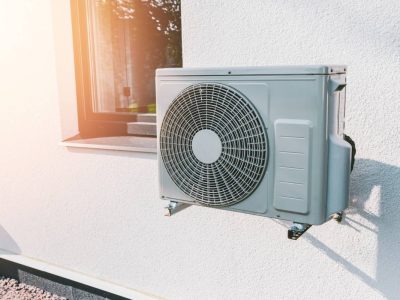
Proper grounding is particularly valuable for large household systems such as air conditioners and AC units, which rely on stable voltage and safe current flow to operate efficiently and avoid damage.
Can You Install Grounding Yourself?
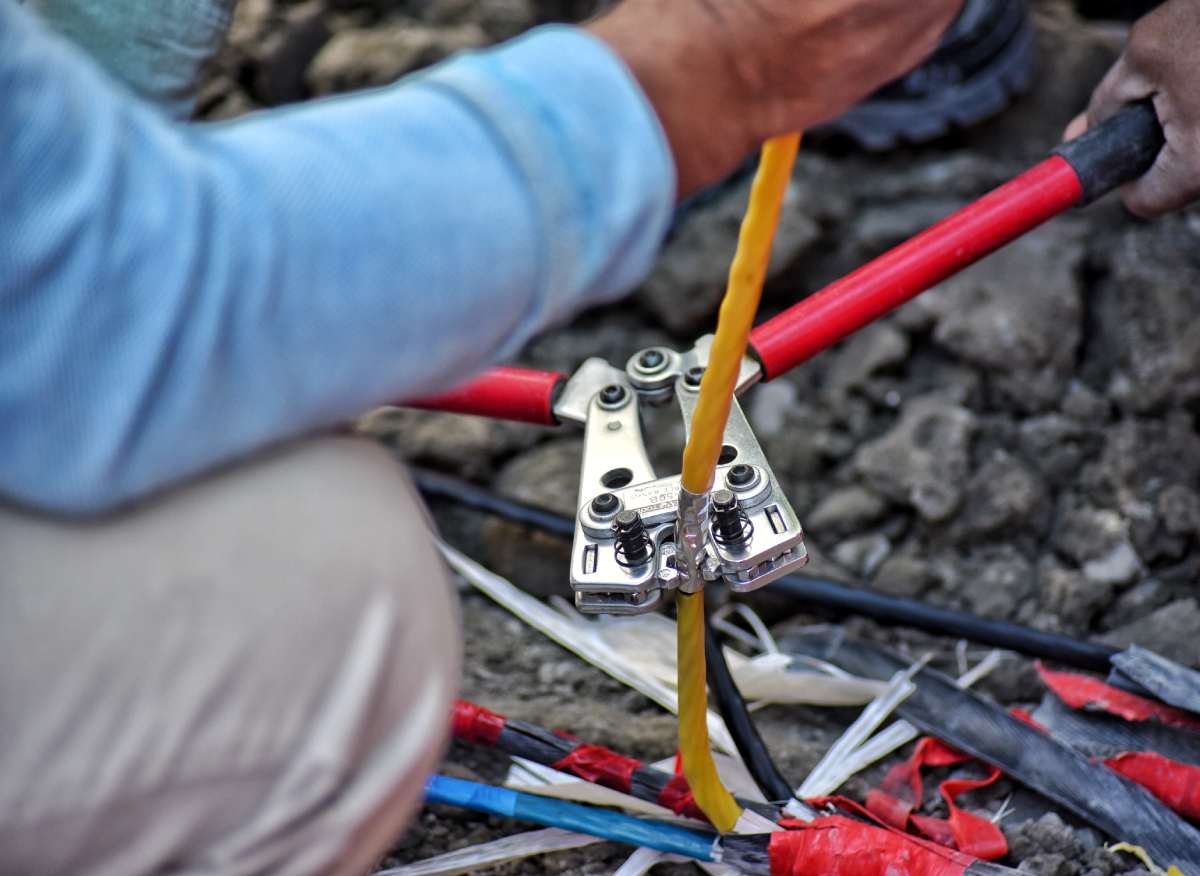
Electrical grounding is not a DIY job. It requires:
- Knowledge of electrical systems
- Compliance with local regulations
- Proper tools and safety precautions
Attempting to install or modify grounding without professional expertise can be dangerous and may lead to non-compliant work.
Always hire a licensed electrician to ensure the job is done safely and correctly.
Upgrading an Ungrounded Home
If your home lacks proper grounding, upgrading is a worthwhile investment. The process may include:
- Replacing old outlets with grounded (three-prong) outlets
- Installing a grounding rod or system
- Updating the electrical panel
- Adding GFCI outlets where grounding is difficult
While costs vary depending on the size and condition of your home, the safety benefits far outweigh the expense.
Common Misconceptions About Grounding
“My appliances work fine, so I don’t need grounding.”
Even if everything seems normal, faults can occur unexpectedly. Grounding is about prevention, not just performance.
“Rubber shoes or floors protect me from electric shock.”
While they may reduce risk slightly, they are not a substitute for proper grounding.
“Only large appliances need grounding.”
All electrical systems benefit from grounding, including lighting and small devices.
Grounding and Modern Smart Homes
As homes become more technologically advanced—with smart devices, automation systems, and renewable energy solutions—proper grounding becomes even more important.
Sensitive electronics require stable voltage and protection from surges. Without grounding, you risk damaging expensive systems or experiencing frequent malfunctions.
Final Thoughts
Electrical grounding is one of the most important safety features in any home. While it may not be visible, its role in protecting lives, property, and appliances cannot be overstated.
In most modern homes, grounding is not just recommended—it’s mandatory. If your property is older or you’re unsure about its electrical system, arranging a professional inspection is a smart move.
Taking action now can prevent serious hazards later. Whether you’re building a new home, renovating, or simply upgrading your electrical system, grounding should always be a top priority.
If you need expert advice or professional electrical services, consider reaching out to Reds Power Solutions in North Shore. Their experienced team can assess your home’s electrical system, ensure proper grounding, and help keep your household safe and compliant.