By
By 
Yes, your home can be infested for weeks or months before you spot a single pest. The most damaging household pests in Australia live in wall voids, subfloors, mattress seams and roof spaces, and they leave evidence (droppings, mud tubes, marks, smells and night-time sounds) well before they ever show themselves. Learning those quiet signs is what separates a cheap fix from a five-figure repair.
Key takeaways
- Termites are the biggest hidden risk. They damage roughly one in five Australian homes each year and can wreck structural timber within 12 months, usually with no insurance cover.
- The pest you see is the last clue, not the first. Droppings, mud tubes, shed skins and odours appear before a live pest does.
- Seeing one in daylight means the population is already large. Nocturnal pests only surface when hiding spots get crowded.
- A 10-minute self-check catches most problems early. Bed, kitchen, perimeter, roof space.
- DIY backfires for termites and bed bugs. Sprays scatter the colony and make professional treatment slower.
On this page
- Why do the worst pests stay hidden?
- How do you know if you have termites?
- What are the early signs of cockroaches?
- How do you spot rodents before you see them?
- What do hidden bed bugs look like?
- Which pest hides the longest?
- How to check your home in 10 minutes
- When does DIY make an infestation worse?
- How do you lower your risk of infestation?
- The honest answer
Why do the worst pests stay hidden?
Most damaging pests are nocturnal and reclusive by design. Cockroaches, rodents and bed bugs feed at night and retreat into dark, tight spaces by day, so a growing population can share your house for weeks without a sighting.
Termites go further and never surface at all, tunnelling through timber from inside the wall. Cockroaches can hide so well that signs take weeks or even months to become obvious.
This creates a dangerous lag. By the time a live pest crosses your floor in daylight, its hiding places are usually overcrowded, which means the problem is already well established.
How do you know if you have termites?
Termites are the pest most likely to be eating your home right now with no visible clue. A CSIRO hazard-mapping study found about a third of surveyed homes were infested, and industry estimates put lifetime risk at roughly one in three Australian homes.
The stakes are high and mostly uninsured. Termite damage is estimated to cost Australian homeowners around $1.5 billion a year, and they can cause irreparable structural damage within 12 months of moving in.
Watch out: Standard home insurance in Australia generally does not cover termite damage, so a missed year is often the difference between a treatment and a rebuild.
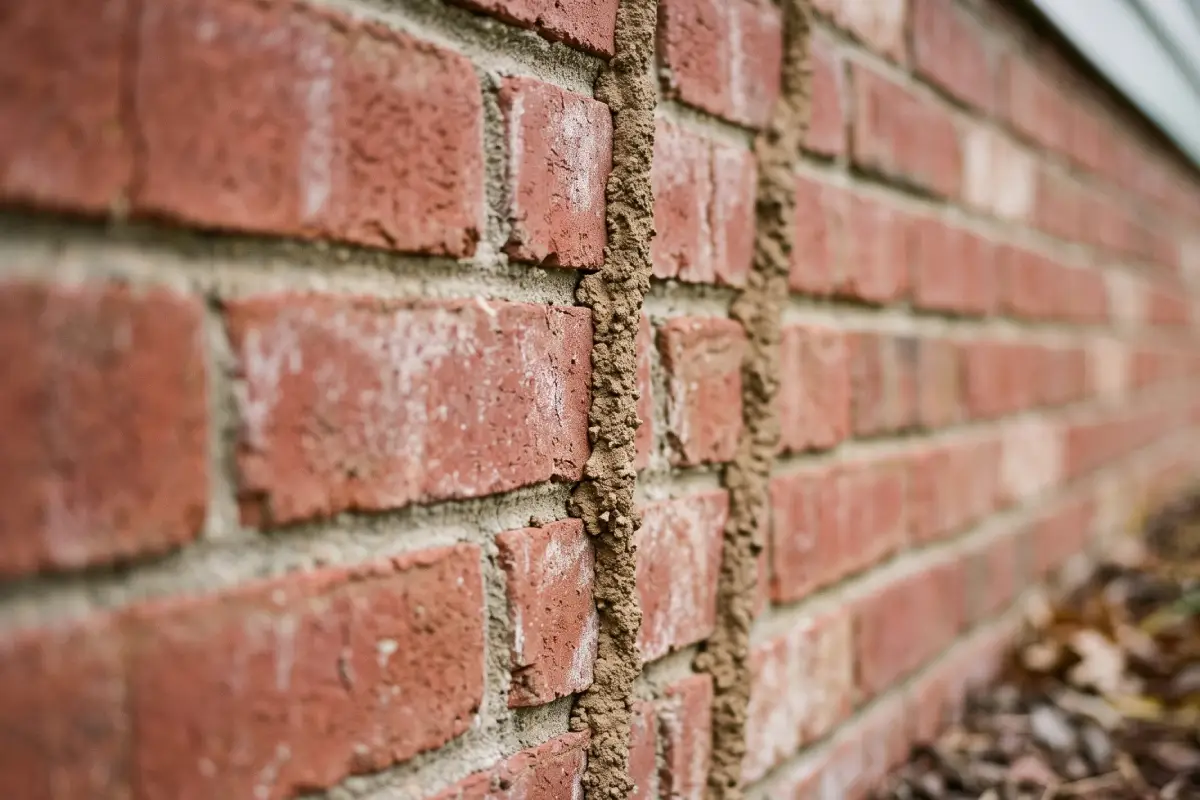
The signs that appear before you see a termite:
- Mud tubes: pencil-width tunnels running up walls, foundations or piers.
- Hollow timber: wood that sounds papery or empty when tapped.
- Blistered paint: paint that bubbles or cracks over skirting and architraves.
- Discarded wings and frass: shed wings near windowsills, plus small piles of dry, sand-like droppings.
Australia has more than 350 termite species, but only around a dozen behave as structural pests. That handful is enough to make termites the one infestation worth checking for on a schedule, not just when something looks off.
What are the early signs of cockroaches?
A cockroach problem usually shows up as leftovers, not live insects. The earliest evidence is droppings, which look like pepper-like specks or, in larger species, small dark cylindrical pellets in the spots where roaches gather.
Two more reliable early signs are physical debris. Shed skins and oval egg cases collect in cracks, behind appliances and inside cabinets, often before a single roach appears.
Then there is the smell. As the population grows, many people notice a lingering musty, oily odour from the pheromones in droppings and secretions, and it strengthens over time.
Seeing one in daylight is a warning, not a fluke. Cockroaches are nocturnal, so a roach in the open by day usually means the hiding spots are overcrowded. Acting fast matters because cockroaches contaminate food and surfaces and are linked to salmonella, gastroenteritis and asthma triggers.
Once you’ve confirmed activity, the next step is knowing how to get rid of a cockroach infestation before numbers climb further.
How do you spot rodents before you see them?
Mice and rats are nocturnal and secretive, so you almost always find their traces first. The clearest early sign is a trail of droppings, which you typically see before you ever see the animal.
Beyond droppings, look for gnaw marks on timber, cabling and packaging, greasy rub marks along walls where rodents run the same routes, and shredded nesting material in cupboards, subfloors or roof cavities.
Scratching or scurrying in the ceiling or walls at night is often the first thing a household actually notices, and it usually comes before any daytime sighting.
What do hidden bed bugs look like?
Bed bugs are the textbook “infested without knowing” pest, because the first sign is on your skin, not the mattress. In the early stage, they stay hidden, so people often notice bites or minor spotting before they ever see a live insect.
They spread faster than most people expect. Under the indoor temperatures common in Australian homes, eggs hatch within one to two weeks, and a small introduction can become widespread within several weeks.
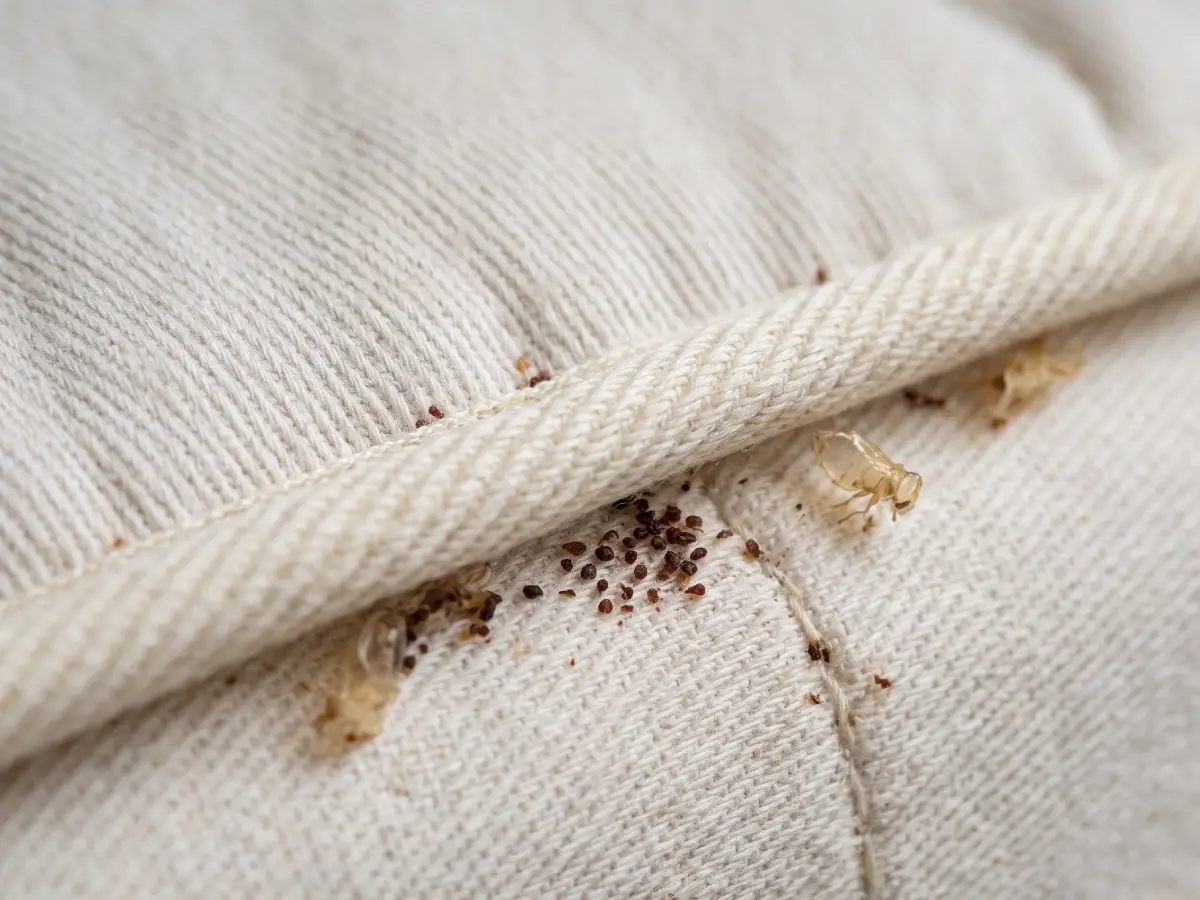
Where to look and what betrays them:
- Harbourages: mattress seams, tufts and edges, bed frame joints, headboards and along skirting boards.
- Evidence: small black or brown spots of dried excrement, shed skins, and a sweet, sticky odour when numbers are high.
One myth worth killing: this is not about hygiene. Bed bugs travel in on luggage and second-hand furniture, not dirt. The eggs work against you too, incubating for up to two weeks in spots that are hard to reach, according to Victoria’s Department of Health, which is why a rushed treatment can rebound.
Which pest hides the longest?
| Pest | Where it hides | First evidence you notice | How long it stays hidden | Main risk |
| Termites | Inside timber, subfloor, wall voids | Mud tubes, hollow-sounding wood, blistered paint | Months to a year or more | Structural, usually uninsured |
| Cockroaches | Behind appliances, cabinets, cracks | Pepper-like droppings, musty odour, shed skins | Weeks to months | Contamination, asthma triggers |
| Rodents | Roof, subfloor, cupboards | Droppings, gnaw marks, night scratching | Weeks | Damage, disease, chewed wiring |
| Bed bugs | Mattress seams, frames, skirting | Bites, dark spotting on bedding | Weeks | Fast spread, hard to fully clear |
How to check your home in 10 minutes
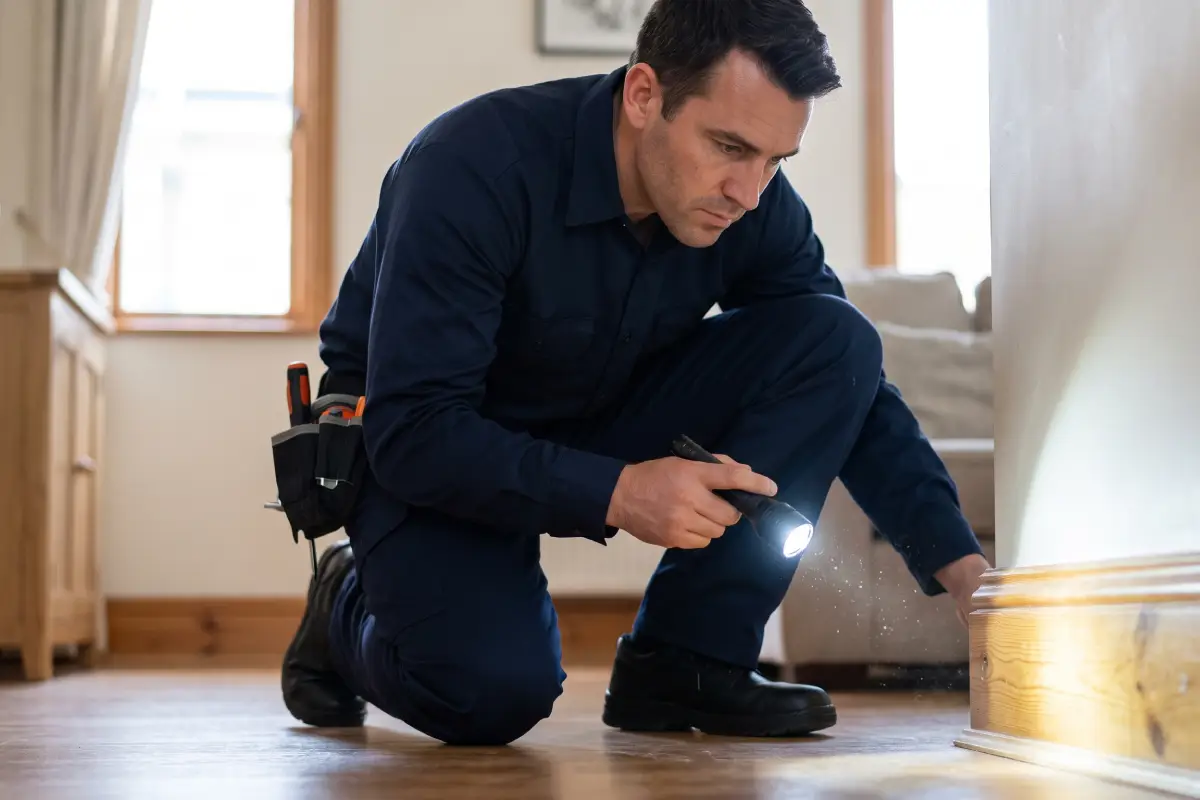
Start at the bed. Strip the sheets and run a torch along the mattress seams, the frame joints and behind the headboard, looking for dark spots, shed skins or live insects.
Move to the kitchen and bathroom. Pull out from behind the fridge and under the sink, and check cabinet corners for pepper-like droppings, egg cases or a musty smell. These warm, moist zones are cockroach headquarters.
Check the perimeter and subfloor. Walk the outside walls and foundations for mud tubes, and tap skirting and door frames near wet areas, listening for a hollow sound.
Finish in the roof space. Rodent droppings and gnawed nesting material tend to collect in the ceiling cavity.
When does DIY make an infestation worse?
For cockroaches and ants, a careful over-the-counter treatment plus good sanitation often holds the line. Bed bugs and termites are different, and this is where most homeowners lose money.
Do not reach for the spray: With bed bugs, supermarket sprays miss the population hidden in harbourages and can scatter them to new areas, making later professional treatment slower and less effective.
Termites are simply not a DIY pest. Disturbing a nest or spraying visible workers can push the colony deeper into the structure, so an inspection and a planned treatment beat any store-bought product. If you’re in Melbourne and want a professional inspection rather than guessing, Pest Control Services Melbourne.com is a local option worth calling.
How do you lower your risk of infestation?
Cut moisture and food sources. Fix leaks, improve subfloor ventilation, keep mulch, firewood and timber offcuts away from the house, and store food in sealed containers.
Seal the entry points. Close gaps around pipes, doors and skirting, and screen vents, since rodents and roaches only need a small crack.
Inspect on a schedule, not on a scare. For termites, an annual professional inspection is the single highest-value habit, because the pest gives almost no warning on its own.
The honest answer
Yes, your home could be infested right now with no obvious sign, and in Australia that is a realistic risk rather than a scare tactic. Termites alone reach a large share of homes over their lifetime, and the most damaging pests are built to stay out of sight.
The reassuring part is that hidden does not mean undetectable. Droppings, mud tubes, shed skins, marks, smells and night-time sounds all show up before the live pest does, and a ten-minute check plus a yearly termite inspection catches the vast majority of problems while they are still cheap to fix.
If you find hard evidence of termites or bed bugs, skip the spray and book a professional, because with these two, a rushed DIY attempt usually costs more than doing nothing.